

TECHNOLOGY 01
Asset Cloaking & Network Obfuscation
Defensive Asset Cloaking & Surface Obfuscation
Stop cyber attacks before reconnaissance even begins. By making critical infrastructure, industrial control systems, and legacy hardware completely invisible to external internet scans, this capability removes your high-value endpoints from global threat maps. Utilizing patented identity validation before network handshakes, unauthorized users cannot find, probe, or target what they cannot see—creating a secure "digital air-gap" that preserves operational resilience.
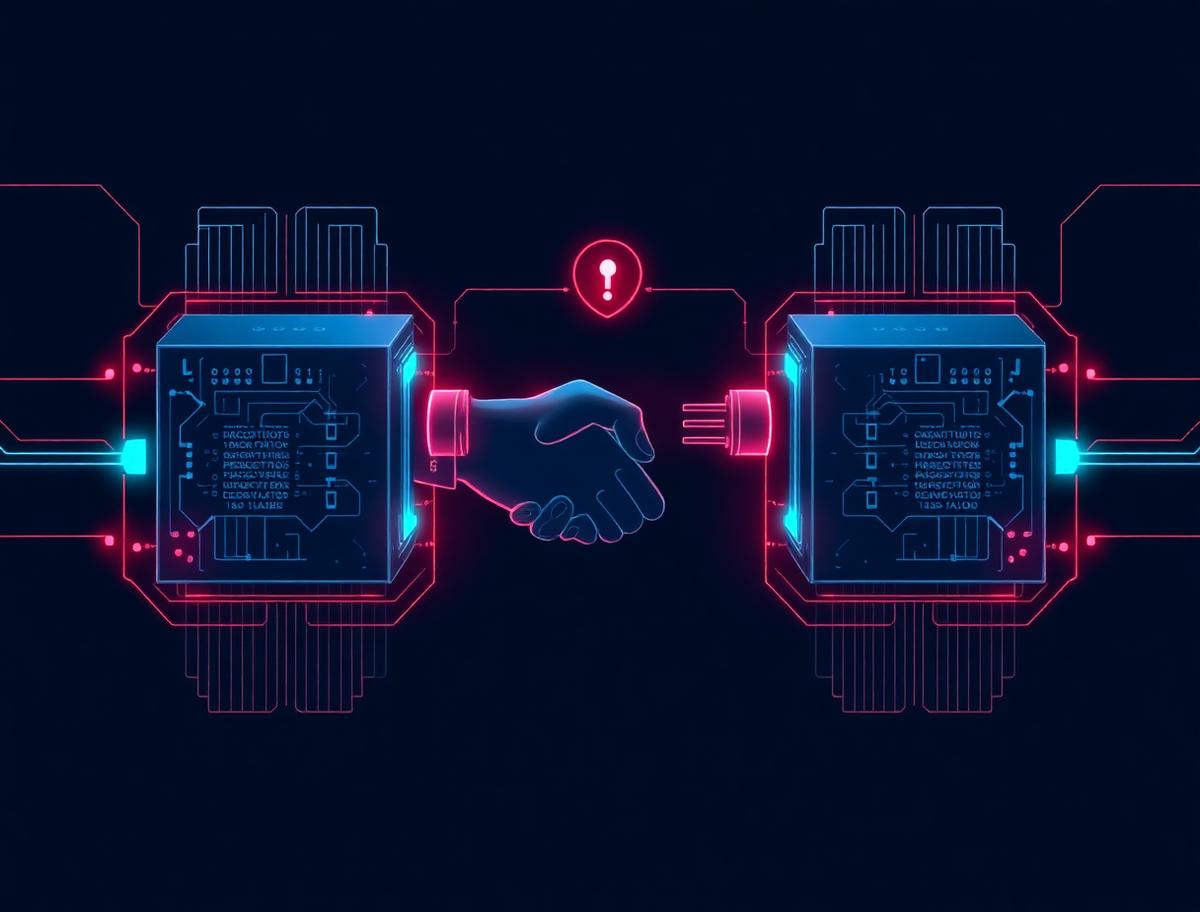
Invisible Infrastructure
Utilizes patented technology to make critical assets completely invisible to unauthorized online entities, eliminating the external attack surface entirely.
Zero-Trust for Legacy Hardware
Establishes a secure "digital air-gap" for older operational technology (OT) that was never engineered to be online, granting risk-free remote access.
First Packet Authentication
Completely blocks attacker reconnaissance by validating a user's absolute identity before a network connection or handshake can even begin.
Industries Powered by Invisible Security
Secure high-stakes environments operating critical infrastructure, complex enterprise networks, and sensitive Industrial Control Systems (ICS/OT). By cloaking assets and verifying identity before network handshakes, Invisinet stops cyber threats before reconnaissance even begins.
1. Public Sector, Defense & Government
- Target Environment: Military defense networks, federal agencies, municipal infrastructure, and emergency response systems.
- Key Challenge: Defending sovereign systems against sophisticated nation-state threat actors, foreign espionage, and unauthorized network probing.
- The Advantage: Secures classified communications and enforces strict Zero Trust Architecture (NIST 800-207/CISA) by cloaking sensitive government IT/OT endpoints completely from the open internet.
2. Energy, Utilities, Oil & Gas
- Target Environment: Power grids, electric generation facilities, water treatment plants, and energy pipelines.
- Key Challenge: High vulnerability of legacy SCADA systems and physical infrastructure, where ransomware or downtime risks catastrophic economic and societal impact.
- The Advantage: Creates a "digital air-gap" around critical OT environments. Hides operational targets from bad actors while enabling low-latency, risk-free remote maintenance.
3. Transportation, Ports & Logistics
- Target Environment: Maritime ports, shipping terminals, railway networks, aviation hubs, and freight operations.
- Key Challenge: Rapidly growing cyberattacks on interconnected logistics networks, where operational downtime can cost millions per hour.
- The Advantage: Protects critical transit and port controls from lateral threat movement. Supports seamless compliance with TSA Security Directives and CISA guidelines without interrupting supply chain flow.
4. Industrial & Smart Manufacturing
- Target Environment: Automated factories, defense manufacturing, chemical plants, and pharmaceutical production sites.
- Key Challenge: Protecting unpatched or legacy plant machinery while integrating modern Industrial IoT (IIoT) and AI-driven automation.
- The Advantage: Micro-segments factory floors to prevent industrial malware propagation, safeguarding trade secrets and operational continuity without causing network latency.
5. Healthcare & Life Sciences
- Target Environment: Hospitals, clinical networks, research labs, and connected medical device infrastructure.
- Key Challenge: Vulnerable IoT/OT medical devices and HVAC/building systems that directly impact patient care and confidential HIPAA data.
- The Advantage: Cloaks critical medical devices and SCADA networks from external scans, blocking ransomware at the network entry point to ensure uninterrupted patient safety.
6. Data Centers & Cloud Service Providers (CSPs)
- Target Environment: Hyperscale facilities, multi-tenant cloud operations, and Managed Service Providers (MSPs).
- Key Challenge: Managing complex hybrid-cloud attack surfaces and preventing unauthorized lateral traversal across multi-tenant workloads.
- The Advantage: Reduces the external cloud footprint to a minimum. Uses First Packet Authentication™ to ensure only pre-verified user sessions can discover and connect to protected workloads.
Remove your critical assets from the threat map before attackers ever take their first step.
Explore Asset Cloaking Solutions
Technology 02
Crowd-Sourced Threat Intelligence
Next-Generation Crowd-Sourced Threat Intelligence & Automated Enforcement
Modern attackers target dozens of organizations simultaneously using shared command-and-control infrastructure. By uniting global enterprises, security operations centers, and service providers into a federated intelligence alliance, this capability delivers proactive, community-driven threat prevention. When an attack vector, malicious IP, or zero-day pattern is detected by any single network in the network, the indicator is immediately anonymized, cross-validated, and pushed across the entire ecosystem in real time. Security teams transform their perimeter from isolated island defenses into a dynamic, collective memory—blocking emerging threats before the first packet ever hits their network.
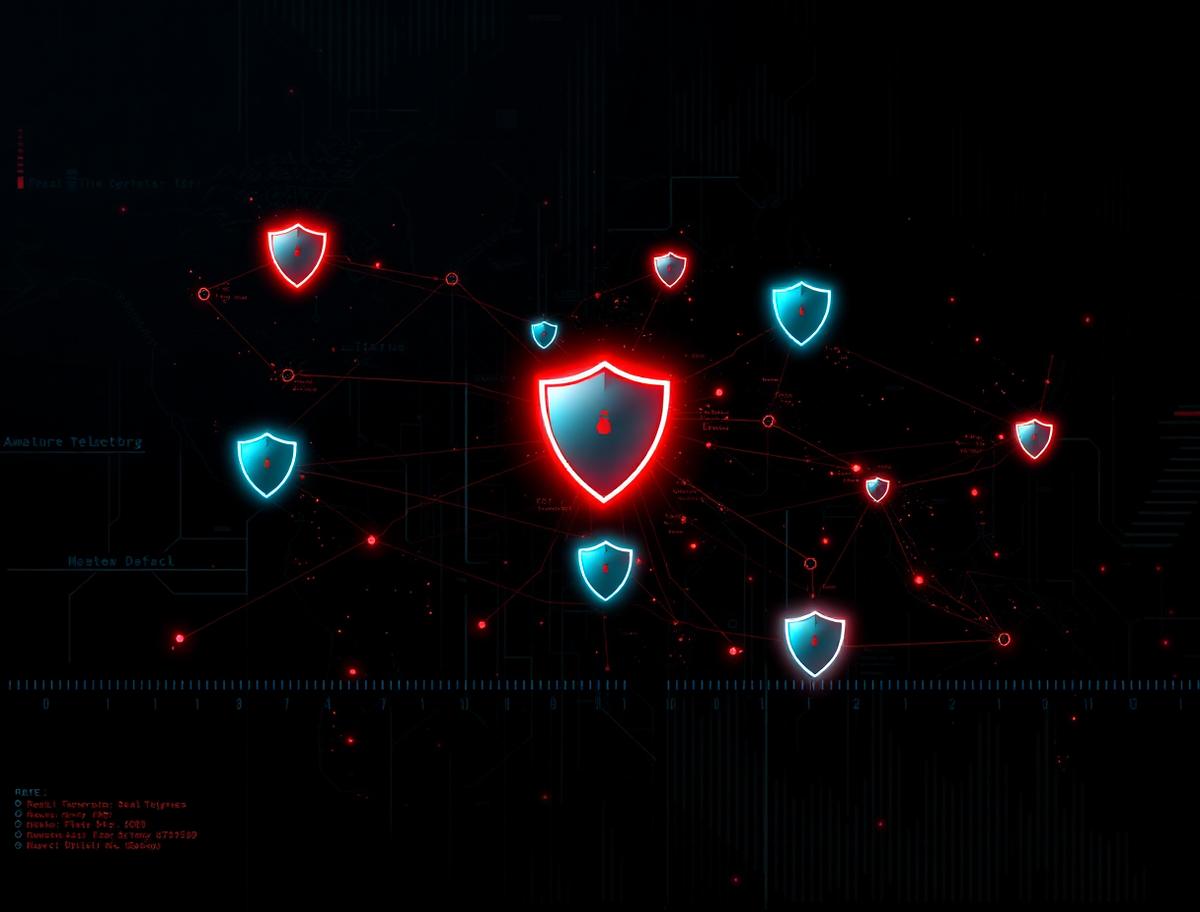
Real-Time Alliance-Driven Intelligence
Leverage continuous, crowd-sourced attack telemetry from hundreds of global security operations to stay ahead of active malware, ransomware, and botnets.
Automated Sub-30-Second Enforcement
Automatically convert validated threat indicators into actionable firewall, WAF, and DNS block rules—eliminating manual SOC triage delay.
Privacy-First Anonymized Sharing
Participate in global threat-sharing networks with absolute privacy guarantees; only threat indicators are shared, leaving user data, internal traffic, and logs strictly on-premises.
Dynamic Risk & Crime Scoring
Enrich incoming indicators with multi-variable risk scores, recency weighting, and MITRE ATT&CK mapping to eliminate false positives and alert fatigue.
Seamless Native Integrations
Plug directly into existing Next-Gen Firewalls (NGFW), SIEMs, and XDR platforms via standard STIX/TAXII APIs without requiring a hardware overhaul.
Sectors Powered by Collective Threat Intelligence & Automated Defense
Unite global security operations into a federated intelligence alliance. From telecom backbones and financial trading networks to defense cohorts and critical infrastructure, crowd-sourced threat intelligence delivers automated, privacy-first protection at machine speed.
1. Telecommunications, ISPs & Cloud Service Providers
- Target Environment: Mobile network operators, internet service providers (ISPs), cloud infrastructure vendors, and backbone network providers.
- Key Challenge: Defending massive-scale network traffic from distributed botnets, command-and-control (C2) servers, and brute-force scanning without degrading throughput or adding latency.
- The Advantage: Delivers high-bitrate, automated Indicators of Compromise (IoCs)—blocking malicious IPs, URLs, and domains at the edge across firewalls, routers, and DNS servers in real time.
2. Banking, Financial Services & Fintech
- Target Environment: Retail banks, payment processors, financial trading networks, and fintech applications.
- Key Challenge: Protecting sensitive financial transactions and client credentials from aggressive phishing campaigns, credential-stuffing bots, and emerging ransomware networks.
- The Advantage: Enriches incoming threat indicators with a dynamic "Crime Score" (0–1000) and MITRE ATT&CK context—enabling automated, zero-trust enforcement across WAFs and payment gateways.
3. Defense, National Security & Government Agencies
- Target Environment: Public sector entities, defense contractors, intelligence agencies, and municipal government networks.
- Key Challenge: Countering nation-state threat actors and sophisticated multi-vector attacks targeting government data and public service infrastructure.
- The Advantage: Allows agencies to anonymously contribute and consume vetted threat indicators across global defense cohorts, accelerating threat detection while preserving complete operational privacy.
4. Energy, Utilities & Critical Infrastructure
- Target Environment: Power grid operators, water treatment utilities, oil & gas pipelines, and smart-city infrastructure.
- Key Challenge: Securing exposed IT and OT perimeters against global threat actors who repeatedly cycle through new attack infrastructure.
- The Advantage: Automatically feeds verified malicious IP and domain blocklists into network security controls (IPS, firewalls, and secure DNS) to block unauthorized access attempts instantly.
5. Managed Security Services (MSSPs) & Security Operations Centers (SOCs)
- Target Environment: Managed Security Service Providers (MSSPs), SOC operations, and enterprise IT security teams.
- Key Challenge: High operational costs, tool sprawl, and analyst fatigue caused by manually triaging raw, noisy threat feeds and managing complex firewall blocklists.
- The Advantage: Out-of-the-box native integrations with over 160+ firewall, WAF, and IPS platforms—automating rule distribution without requiring manual SOC intervention.
6. Healthcare, Pharmaceuticals & Enterprise E-Commerce
- Target Environment: Hospital networks, pharmaceutical developers, healthcare providers, and high-traffic e-commerce portals.
- Key Challenge: Protecting public-facing web applications, patient databases, and customer records against OWASP Top 10 web application attacks, malicious AI bots, and data scraping.
- The Advantage: Combines web application firewalls (WAF) and AI Gateway capabilities with real-time URL and domain intelligence—stopping malicious traffic before it reaches critical applications.
Turn collective intelligence into a proactive defense perimeter.
Explore Threat Intelligence Solutions
Technology 03
Cyber Physical & Hardware Security
Hardware-Level Root of Trust & Silicon Integrity
Comprehensive cybersecurity must go beyond software. By extending Zero Trust to the physical layer, this capability discovers and verifies the exact structural authenticity of critical microchips and hardware components before they enter your supply chain. By eliminating foreign backdoors, rogue hardware modifications, and physical tampering at the silicon level, your organization ensures that its software defenses are built on a truly compromise-free foundation.

Silicon-Level Authentication
Discovers and verifies the exact structural authenticity of technology hardware components, blocking physical tamper attempts before integration.
The Ultimate Cyber Foundation
Addresses the existential software-hardware gap, recognizing that world-class software defense is completely useless if built on compromised foreign chips.
Rigorous Hardware Audits
Delivers an unprecedented mechanism to physically map and audit complex hardware assets, restoring high-level peace of mind to critical installations.

Sectors Powered by Root-Level Hardware Integrity
Establish an unshakeable cyber foundation by verifying technology safety and component authenticity down to the chipset. By detecting unauthorized microchip modifications, foreign backdoors, and counterfeit hardware before deployment, Synderys delivers true hardware assurance across mission-critical sectors.
1. Defense Industrial Base (DIB) & Military
- Target Environment: Defense contractors, aerospace suppliers, weapons systems, and field-deployed military assets.
- Key Challenge: Preventing foreign nation-states from inserting rogue microchips, foreign "kill-switches," or counterfeit electronic parts into defense supply chains.
- The Advantage: Inspects and authenticates physical hardware components at the silicon level, ensuring defense systems remain combat-ready and uncompromised.
2. Government & Federal Procurement
- Target Environment: Federal agencies, national security bodies, and municipal institutions.
- Key Challenge: Verifying the authenticity of complex technology assets to satisfy strict federal supply chain mandates and prevent espionage.
- The Advantage: Transforms static Hardware Bills of Materials (HBOMs) into live risk-mapping monitors, providing audit-certified records for compliance and national security assurance.
3. Energy & Critical Infrastructure
- Target Environment: Power grid operators, public utilities, renewable energy facilities, and Battery Energy Storage Systems (BESS).
- Key Challenge: Vulnerabilities in specialized controllers and industrial microchips that could allow physical sabotage or wide-scale energy grid outages.
- The Advantage: Integrates military-grade hardware and firmware assurance directly into critical energy architecture, protecting physical utility assets from the ground up.
4. Telecommunications & Aerospace
- Target Environment: 5G/6G network infrastructure, global routing systems, commercial satellite arrays, and space technologies.
- Key Challenge: Hardware-level tampering or malicious firmware injected into global routing gear, cell towers, or orbital communication systems.
- The Advantage: Delivers plug-and-play component verification to secure routing hardware and satellite platforms against physical supply chain risks.
5. Healthcare & Life Sciences
- Target Environment: Hospital networks, medical device manufacturers, and clinical research facilities.
- Key Challenge: Counterfeit microchips or unverified components in connected medical devices that could endanger patient lives or breach confidential medical data.
- The Advantage: Conducts deep hardware audits on life-critical equipment and clinical devices to ensure physical hardware matches exact manufacturing specifications.
6. Financial Services, Data Centers & Cloud Providers
- Target Environment: Commercial cloud infrastructures, hyperscale data centers, banking institutions, and insurance entities.
- Key Challenge: Micro-architectural vulnerabilities and physical server-rack tampering that bypass traditional software firewalls to steal high-value financial data.
- The Advantage: Deeply illuminates server racks, storage controllers, and networking hardware—verifying that every layer of physical infrastructure is authentic and secure.
Build every defense on hardware you can prove is authentic.
Explore Hardware Security Solutions
Technology 04
Distributed Asset Visibility
Distributed Asset Visibility & Whole-Network Protection
True perimeter defense must extend everywhere your workforce operates. By using agentless continuous discovery, this capability delivers a real-time "golden record" of every asset connected across your corporate ecosystem and remote environments. By automatically fingerprinting and risk-scoring unmanaged laptops, personal devices, and shadow IT operating on outlying networks, your security teams eliminate critical blind spots, expand Zero Trust policies, and protect sovereign organizational data well beyond traditional network walls.
Continuous Agentless Discovery
Automatically discover, fingerprint, and inventory every managed and unmanaged device connected to your distributed networks—without installing endpoint agents.
Perimeter & Remote Network Coverage
Extend enterprise-grade visibility directly to field offices and remote worker networks to uncover hidden shadow IT and rogue hardware.
Automated Risk Scoring & Triage
Analyze device vulnerability data and real-time threat intelligence to prioritize high-exposure targets and deliver plain-language remediation guidance directly to end users.
Sectors Powered by Whole-Network Visibility
Deliver total asset discovery and threat intelligence across distributed enterprise environments. By discovering, fingerprinting, and risk-scoring every managed and unmanaged device connected to corporate, field, and remote worker networks, Obsonis eliminates critical security blind spots across key sectors.
1. Public Sector, Defense Contractors & State Agencies
- Target Environment: Federal defense contractors, municipal state agencies, public sector field offices, and distributed workforces.
- Key Challenge: Managing distributed workers and field teams who access sensitive or regulated government data from outlying networks outside traditional firewalls.
- The Advantage: Extends Zero Trust visibility directly to remote environments—identifying unmanaged personal devices, IoT hardware, and shadow IT operating alongside corporate endpoints without requiring a traditional VPN.
2. Multi-Location Retail, Hospitality & Franchises
- Target Environment: Retail estates, restaurant franchises, hospitality chains, and branch office operations.
- Key Challenge: Unmonitored point-of-sale (POS) terminals, cameras, digital signage, guest Wi-Fi networks, and back-office PCs spread across hundreds of individual stores without dedicated on-site IT staff.
- The Advantage: Delivers full site coverage per location by discovering all connected tills, IoT devices, and unknown hardware on local VLANs, rolling the entire estate into a single centralized dashboard.
3. Technology, SaaS & Distributed Workforces
- Target Environment: Software engineering teams, remote-first startups, cloud services, and global tech workforces.
- Key Challenge: Rapidly expanding remote teams operating on diverse home Wi-Fi networks where unpatched smart-home gear and personal hardware introduce hidden entry points into company repositories.
- The Advantage: Deploys lightweight agentless discovery across remote workers in minutes, providing a prioritized view of high-exposure assets and plain-language remediation instructions directly to staff.
4. Professional Services, Legal & Financial Advisory
- Target Environment: Accounting firms, law practices, consulting agencies, and global advisory teams.
- Key Challenge: High volumes of confidential client data accessed on traveling laptops, home offices, and temporary client-site networks.
- The Advantage: Maintains a continuously updated "golden record" of every connected asset, preventing unvetted shadow IT and insecure devices from compromising confidential records.
5. Healthcare & Regional Clinical Networks
- Target Environment: Home-health providers, regional outpatient clinics, medical research labs, and remote clinical staff.
- Key Challenge: Unmanaged mobile tablets, laptops, or home IoT equipment sharing local networks with devices actively accessing HIPAA-regulated health records.
- The Advantage: Identifies device vulnerabilities and end-of-life status in real time, providing security operations teams with clear, prioritized risk scoring across all remote and clinical environments.
6. Education & School Districts
- Target Environment: Higher education campus networks, K-12 school districts, and remote learning environments.
- Key Challenge: Thousands of personal student and faculty devices (BYOD) continuously connecting to campus VLANs, remote learning portals, and administrative networks.
- The Advantage: Automatically flags unpatched devices, rogue access points, and vulnerable hardware across multi-site networks without per-device pricing constraints.
See every asset, everywhere—before attackers do.
Explore Asset Visibility Solutions
TECHNOLOGY 05
Entropy-as-a-Service (EaaS)
Next-Generation Quantum Entropy & Randomness On-Demand
Every encryption protocol, digital key, and security token relies entirely on the unpredictability of its underlying seed data. By replacing vulnerable pseudo-random mathematical algorithms with cloud-delivered Quantum Entropy-as-a-Service, this capability streams true physical randomness generated directly by quantum mechanical events. Delivered seamlessly via flexible APIs to enterprise clouds, hardware modules, and remote devices, this technology guarantees unguessable key generation that is hardened against both classical decryption and future quantum-enabled cyber threats.

Quantum-Sourced Entropy
Harness fundamental quantum physical phenomena to generate true, non-deterministic random numbers that software algorithms cannot replicate.
Cloud-Native API Delivery
Instantly provision and stream high-density entropy directly into applications, cloud workloads, and Internet of Things (IoT) hardware without dedicated local hardware dependencies.
Enhanced Key & Token Hardening
Eliminate predictable seeds in initialization vectors, cryptographic keys, and token generation to prevent pattern discovery.
Multi-Source Resilience
Leverage diversified quantum sources to deliver continuous, validated, and high-bitrate randomness across distributed networks.

Sectors Powered by Quantum-Grade Cryptographic Resilience
Every encryption key, digital signature, and security token relies entirely on the unpredictability of its underlying seed data. Cloud-delivered Quantum Entropy-as-a-Service (EaaS) streams true physical randomness generated directly by quantum events directly into application environments—eliminating predictable seeds, securing distributed workloads, and hardening critical infrastructure against both current cyber threats and post-quantum decryption.
Replace vulnerable pseudo-random mathematical algorithms with certified quantum entropy across the industries that depend most on cryptographic trust.
1. Financial Services, Banking & Capital Markets
- Target Environment: High-frequency trading platforms, payment processors, digital asset exchanges, and global banking networks.
- Key Challenge: Vulnerabilities in pseudo-random algorithms (PRNGs) that allow pattern discovery, exposing high-value transactions, cryptographic keys, and session tokens to interception or reverse-engineering.
- The Advantage: Streams certified, non-deterministic quantum seeds to generate unbreakable cryptographic keys and initialization vectors—hardening real-time payment rails and financial transactions against mathematical guessing attacks.
2. Defense, Intelligence & National Security
- Target Environment: Classified communications, tactical field hardware, military satellite constellations, and secure government clouds.
- Key Challenge: Adversaries capturing encrypted data today to decrypt later using quantum computers ("Harvest Now, Decrypt Later" threats).
- The Advantage: Provides quantum-ready cryptographic entropy via API, ensuring sensitive military communications and national defense infrastructure remain secure against both classical supercomputers and future quantum adversaries.
3. Telecommunications & Cloud Infrastructure
- Target Environment: 5G/6G core networks, cloud service providers (CSPs), edge data centers, and VPN/TLS gateway providers.
- Key Challenge: Securing high-volume session keys and multi-tenant encryption tunnels across massive cloud environments without hardware bottlenecks.
- The Advantage: Delivers high-bitrate, cloud-native entropy on demand—allowing telecom and cloud operators to inject true quantum randomness directly into TLS handshakes, digital certificates, and API security keys at scale.
4. Blockchain, Web3 & Digital Identity
- Target Environment: Smart contract platforms, decentralized finance (DeFi), institutional wallet custodians, and zero-knowledge (ZK) proof systems.
- Key Challenge: Weak seed phrases, predictable nonce generation, and compromised private keys leading to digital asset drainage and key theft.
- The Advantage: Supplies quantum randomness via simple API integrations to securely generate crypto wallet seed phrases, high-entropy cryptographic nonces, and unguessable smart contract outcomes.
5. Critical Infrastructure, Energy & Smart Manufacturing
- Target Environment: Power grids, Industrial IoT (IIoT) sensors, SCADA networks, and connected transportation systems.
- Key Challenge: Resource-constrained microcontrollers and edge devices lacking local processing power or user interaction to generate strong cryptographic entropy internally.
- The Advantage: Offloads the computational burden of entropy generation to the cloud, streaming pure quantum seeds to low-power edge nodes, smart meters, and industrial controllers to maintain Zero Trust machine identity.
6. Cybersecurity Platforms, MSSPs & Key Management
- Target Environment: Enterprise Hardware Security Modules (HSMs), Key Management Services (KMS), Identity & Access Management (IAM) vendors, and software engineering pipelines.
- Key Challenge: Strict regulatory requirements and NIST guidelines calling for higher-quality, verified cryptographic entropy across enterprise security systems.
- The Advantage: Integrates as a plug-and-play entropy booster into commercial KMS, HSMs, and DevSecOps pipelines—allowing security teams to upgrade overall encryption strength without deploying dedicated on-premises quantum hardware.
Replace predictable seeds with quantum-grade randomness.
Explore Entropy-as-a-Service Solutions
TECHNOLOGY 06
Software Defined Electricity (SDE)
The Next-Generation of Software-Defined Electrical Optimization
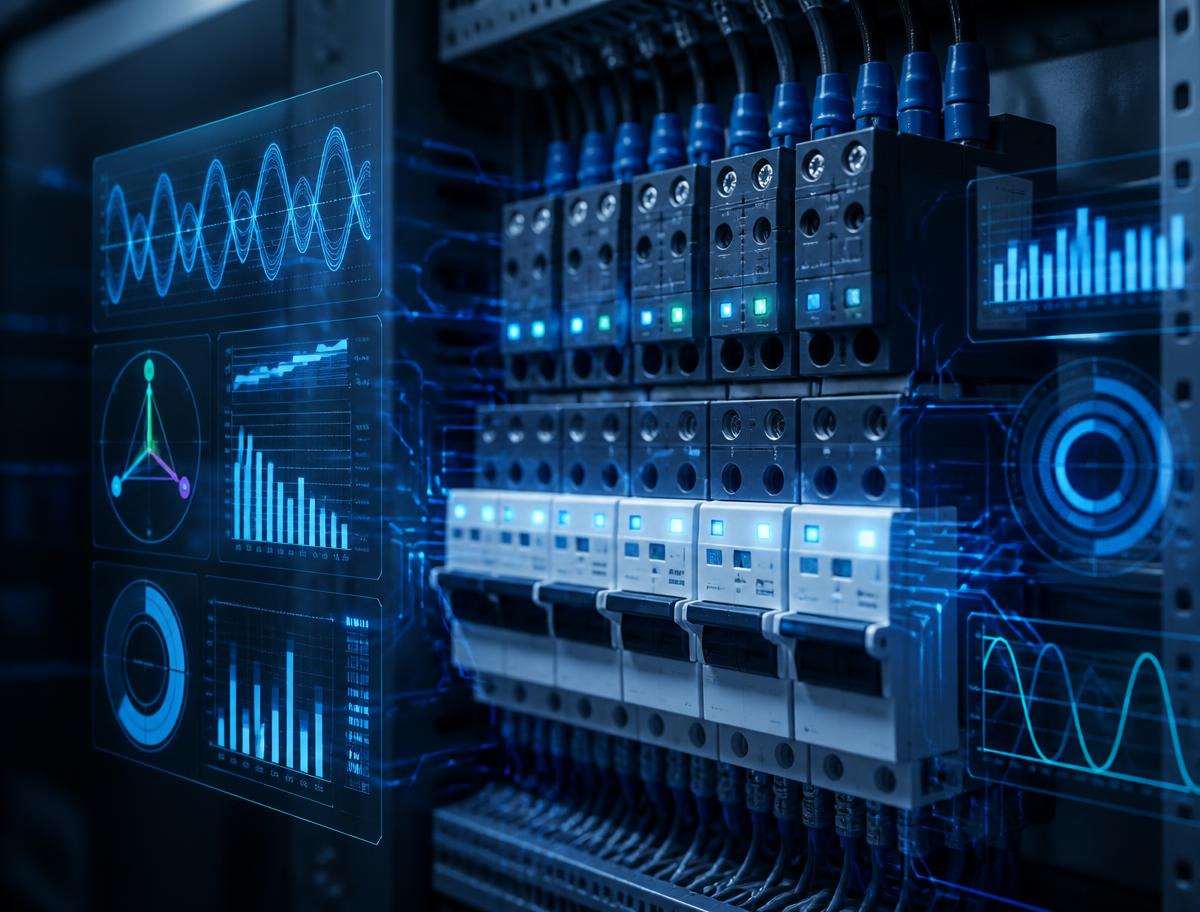
Bridge the gap between physical electrical infrastructure and digital control with Software-Defined Electricity (SDE). By embedding real-time computing directly into your power distribution network, this capability monitors, cleans, and balances electrical flow at sub-microsecond speeds. By continuously eliminating harmonic distortion, neutralizing line imbalances, and mitigating transient surges before they reach sensitive loads, organizations can lower energy consumption by up to 15%, eliminate power-related downtime, and dramatically extend the lifespan of critical machinery and data center equipment.
Real-Time Electrical Correction
Digitally measure and optimize power quality continuously—automatically balancing phases, correcting power factors, and zeroing neutral line currents.
Bidirectional Digital Power Conversion
Execute ultra-efficient single-step power conversion (AC/DC, DC/AC, AC/AC) that drastically reduces waste heat and thermal stress across connected systems.
Multiparametric Signature Analysis
Leverage high-frequency electrical measurements (recording dozens of parameters at MHz speeds) to build deep device health profiles and enable true predictive maintenance.
Dynamic Surge & Transient Mitigation
Intercept and redirect high-energy surges instantly at the facility level, safeguarding delicate operational technology (OT) and industrial infrastructure.
Sectors Powered by Software-Defined Electricity (SDE)
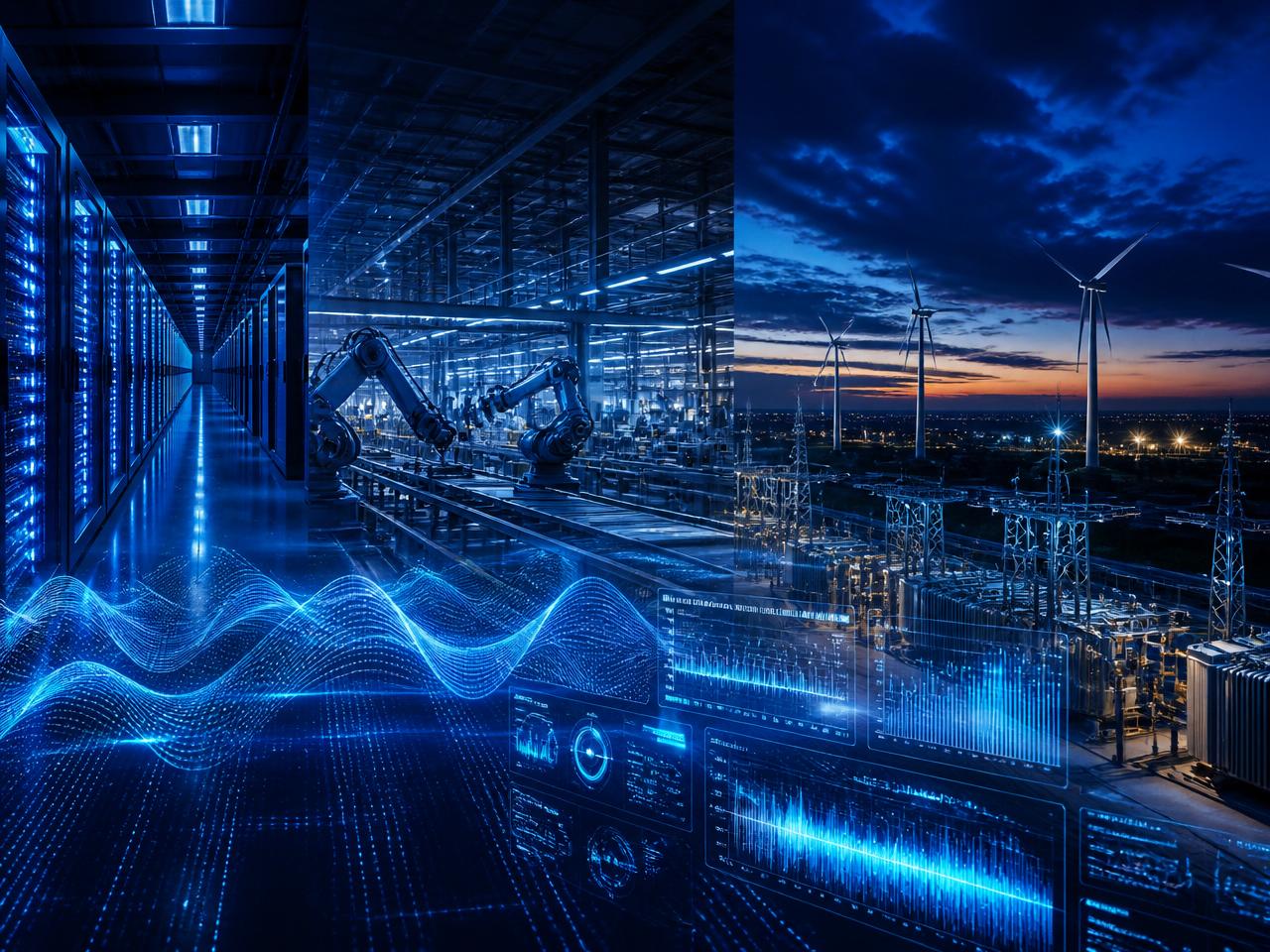
Software-Defined Electricity (SDE) transforms power distribution by embedding real-time computing directly into electrical networks. By measuring, cleaning, and balancing electrical current at sub-microsecond speeds, SDE eliminates heat waste, neutralizes damaging harmonics, and guarantees total power resilience across high-stakes, energy-intensive environments.
Optimize power quality and equipment lifespan across the energy-intensive industries that depend most on resilient electrical infrastructure.
1. Data Centers & Hyperscale Cloud Infrastructure
- Target Environment: Hyperscale data centers, co-location facilities, enterprise server farms, and edge computing hubs.
- Key Challenge: Excessive heat generation, phase imbalances, and power quality degradation that inflate Power Usage Effectiveness (PUE) and cause premature hardware failure.
- The Advantage: Digitally corrects power quality inline to lower energy overhead, reduce cooling requirements, and safeguard sensitive server racks and storage arrays from damaging transient surges.
2. Heavy Industrial & Smart Manufacturing
- Target Environment: Automotive plants, automated assembly facilities, chemical processing operations, and aerospace manufacturing.
- Key Challenge: Power fluctuations, voltage sags, and harmonic distortion generated by heavy machinery, causing costly unplanned downtime and motor degradation.
- The Advantage: Cleans power continuously before it reaches operational technology (OT), extending the operating lifespan of high-value robotics, motors, and drives while lowering utility costs.
3. Utilities, Power Grids & Microgrids
- Target Environment: Regional electrical utilities, renewable energy installations, localized microgrids, and power substations.
- Key Challenge: Phase imbalances and dangerous neutral line currents that cause transformer overloads, energy waste, and increased wildfire risk from electrical faults.
- The Advantage: Automatically balances phases and neutralizes stray currents in real time, stabilizing grid distribution, improving power factors, and increasing infrastructure safety.
4. Defense, National Security & Critical Facilities
- Target Environment: Military installations, defense intelligence centers, federal research labs, and mission-critical communications posts.
- Key Challenge: Electrical instability or line noise that can compromise sensitive radar, electronic warfare systems, or secure command communications.
- The Advantage: Delivers military-grade power stability, protecting sensitive electronic assets from degradation and guaranteeing uninterrupted operational readiness.
5. EV Infrastructure & Battery Energy Storage (BESS)
- Target Environment: Battery Storage Systems (BESS), EV fast-charging networks, and commercial battery manufacturing facilities.
- Key Challenge: Managing severe electrical stress and thermal buildup during high-volume charge and discharge cycles, which reduces battery efficiency and overall lifespan.
- The Advantage: Optimizes single-step bidirectional power conversion (AC/DC and DC/AC) to minimize thermal stress, improve charge efficiency, and maximize long-term battery cell health.
6. Critical Commercial Facilities & Campuses
- Target Environment: International airports, healthcare networks, university campuses, and large commercial complexes.
- Key Challenge: Facility-wide electrical noise from complex HVAC, lighting, and automation systems that drives up energy bills and damages sensitive electronics.
- The Advantage: Provides continuous facility-wide power correction and multiparametric health analysis, protecting building automation networks and reducing overall energy consumption.
Optimize power quality, reduce downtime, and extend equipment life.
Explore Software Defined Electricity Solutions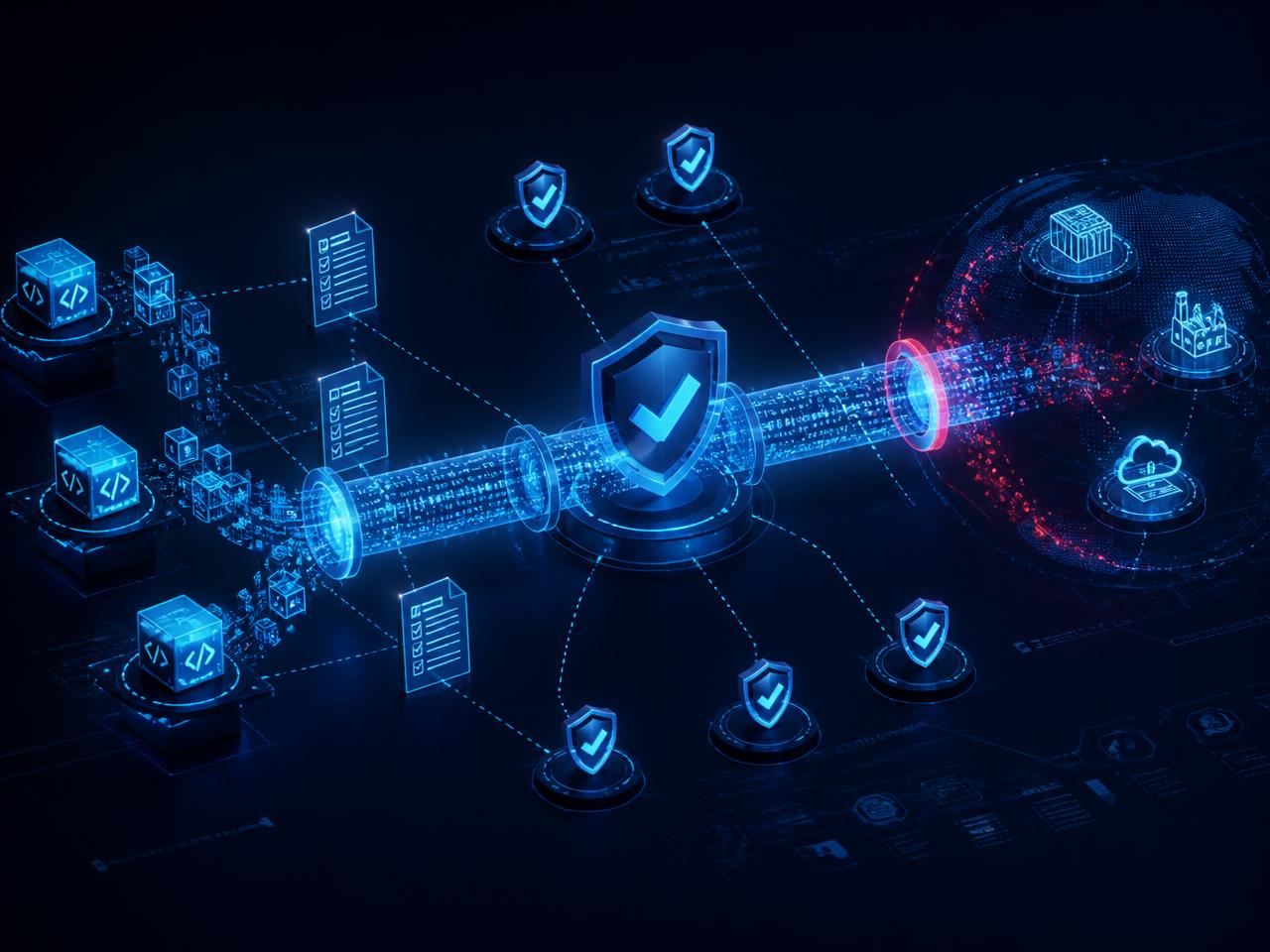
TECHNOLOGY 07
Software Supply Chain Risk Management (C-SCRM)
Next-Gen Software Supply Chain Risk Management & Active SBOM Governance
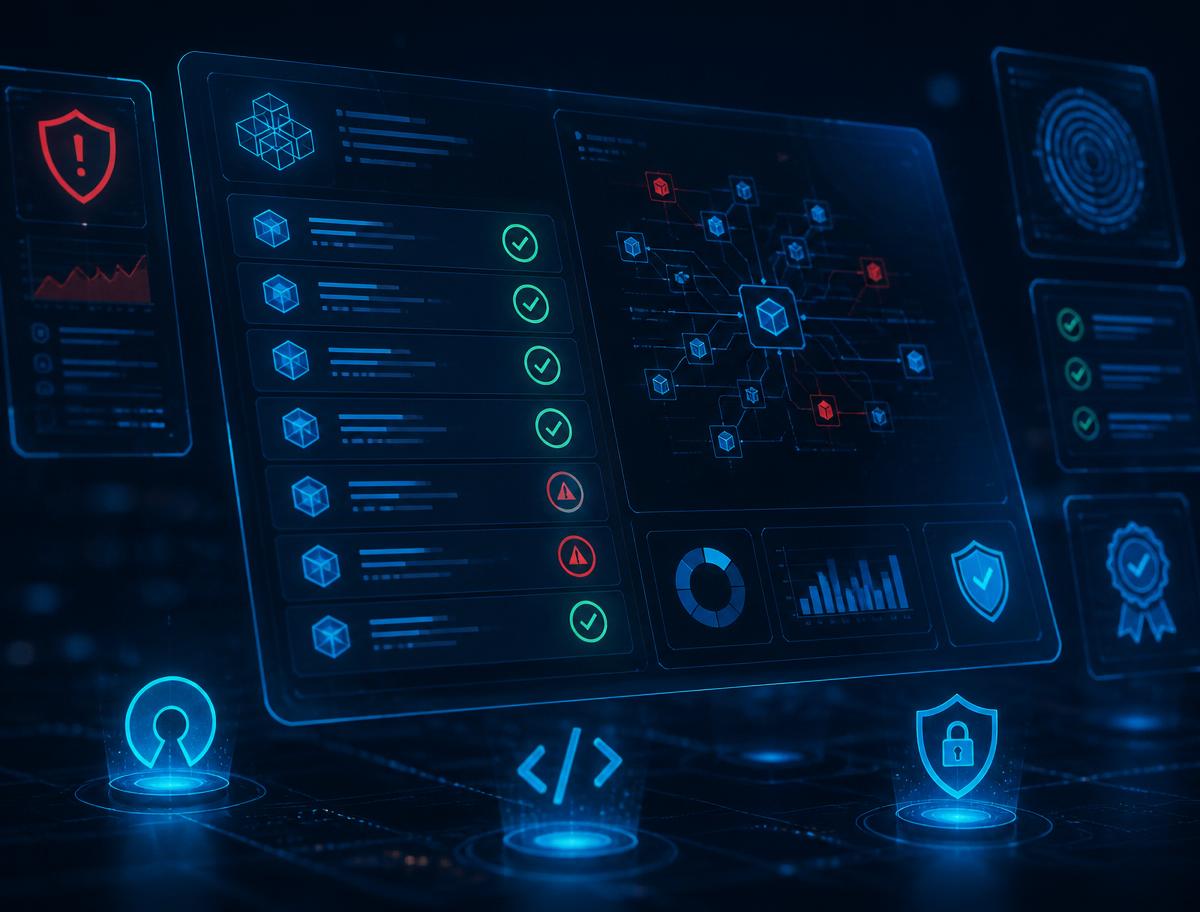
Modern applications depend heavily on global open-source components, introducing hidden vulnerabilities, hostile contributor behaviors, and license exposure. By converting static Software Bills of Materials (SBOMs) into live risk-management engines, this capability automates compliance with strict government mandates (including Executive Order 14028, NIST SP 800-161, and CISA guidelines). With deep OSINT-driven contributor vetting and flexible deployment across SaaS, private cloud, or air-gapped classified networks, software teams can neutralize foreign state espionage and malicious supply chain tampering before code reaches production.
Active SBOM Management & Lifecycle Governance
Securely generate, ingest, validate, and track diff revisions across complex multi-vendor software packages.
Contributor & Open-Source Risk Intelligence
Evaluate hundreds of risk indicators—from open-source package health and unmaintained dependencies to foreign contributor identity and malicious code behavior.
Automated Regulatory Compliance
Ensure full alignment with CISA, DoD, FDA, and EU Cyber Resilience Act (CRA) software assurance standards.
Air-Gapped Native Deployments
Full feature functionality engineered for high-assurance, classified, and air-gapped defense networks without leaking code outside the secure facility.
Sectors Powered by Software Supply Chain Security
Cyber Supply Chain Risk Management (C-SCRM) and SBOM Vault solutions built for high-security, regulated environments. By converting static Software Bills of Materials (SBOMs) into live risk-intelligence engines, the solutions set enable continuously screening of open-source code for foreign tampering, hostile contributor behaviors, and hidden vulnerabilities before code enters production pipelines.
Protect mission-critical software pipelines across the regulated industries most exposed to supply chain compromise and foreign interference.
1. Aerospace & Defense Industrial Base (DIB)
- Target Environment: Prime defense contractors, military system integrators, aerospace manufacturers, and defense software builders.
- Key Challenge: Defending military platforms against foreign state-sponsored backdoors, malicious contributors, and unvetted open-source code operating in mission-critical networks.
- The Advantage: Analyzes open-source contributor behaviors and software ingredients down to the component level, with air-gapped native deployments built specifically for classified networks.
2. Federal Agencies & Public Sector
- Target Environment: Civilian federal agencies, defense programs, public sector technology buyers, and municipal infrastructure.
- Key Challenge: Meeting mandatory Federal supply chain policies (including Executive Order 14028, NIST SP 800-161, and CISA minimum SBOM requirements) across complex multi-vendor software packages.
- The Advantage: Automates SBOM ingesting, verification, version diffing, and compliance policy enforcement directly through seamless API and pipeline.
3. Medical Device Manufacturers & Healthcare
- Target Environment: Connected medical device (IoMT) developers, healthcare software integrators, and clinical systems.
- Key Challenge: Verifying third-party software dependencies to satisfy strict FDA pre-market cybersecurity mandates and protect patient-critical hospital equipment from unmaintained open-source risks.
- The Advantage: Validates SBOM ingredient lists and provides continuous vulnerability monitoring to ensure life-saving clinical hardware and software remain compliant and uncompromised.
4. Critical Infrastructure, Utilities & Industrial SCADA
- Target Environment: Power grid operators, SCADA/ICS software vendors, telecommunications manufacturers, and transport system builders.
- Key Challenge: Stopping open-source supply chain attacks that could disrupt physical utility networks, industrial automation, or transportation routing infrastructure.
- The Advantage: Inspects software dependencies against international safety standards (such as IEC 62443), blocking malicious packages before they enter operational technology environments.
5. Enterprise Software Integrators & Global SaaS
- Target Environment: Global commercial enterprises, DevSecOps engineering teams, SaaS providers, and software exporters.
- Key Challenge: Navigating international supply chain regulations (like the EU Cyber Resilience Act - CRA) while mitigating legal, licensing, and security risks in rapid release pipelines.
- The Advantage: Injects automated SBOM vaulting and policy-as-code enforcement into existing CI/CD workflows—allowing commercial teams to speed up software delivery without compromising safety.
Secure your software supply chain from source to production.
Explore C-SCRM Solutions
TECHNOLOGY 08
Zero-Trust Data Access (ZTDA) & AI Governance
Next-Generation Zero-Trust Data Security & AI Protection
Empower your analytics teams, internal tools, and Large Language Models (LLMs) without risking data sprawl or exposure. By taking security directly to where live production data resides, this capability enforces "Zero-Copy" sovereignty—allowing queries to be evaluated inline at inference speed without staging, duplicating, or moving sensitive records. With dynamic, session-aware policy enforcement acting as a real-time safety screen, sensitive data and PII are masked, redacted, or filtered instantaneously based on user role and context. Organizations can safely deploy GenAI copilots and analytics while remaining continuously compliant with stringent privacy standards like GDPR, HIPAA, and the EU AI Act.

"Zero-Copy" Data Sovereignty
Eliminate data duplication risks by allowing AI agents, analytics tools, and applications to query live data where it lives—creating zero unmanaged shadow copies.
Inference-Speed Policy Enforcement
Automatically evaluate every request at runtime using context, identity, and role to grant "just-in-time" access—applying row, column, and field-level redaction in real time.
AI Model Leakage Defense
Function as an intelligent ghost layer between your data sources and LLM prompts, preventing confidential technical data, PII, or intellectual property from leaking into external models.
Built-In Compliance Logging
Automatically record and policy-check every request to deliver audit-ready visibility across all human users and automated AI agents.
Sectors Powered by Zero-Trust Data Access & AI Governance
Enable secure data access "where it lives"—eliminating risky data duplication, shadow data lakes, and data sprawl. By enforcing in-place governance through a real-time "Ghost Layer," the solution allows organizations across highly regulated sectors to safely power analytics, applications, and Generative AI initiatives without exposing sensitive records or PII.
Safely unlock analytics, AI, and application innovation across the regulated sectors that depend most on strict data sovereignty and privacy.
1. Financial Services, Banking & Fintech
- Target Environment: Retail banks, investment firms, payment processors, fintech platforms, and insurance providers.
- Key Challenge: Balancing rapid adoption of GenAI copilots and business analytics against strict regulatory frameworks like GDPR, PCI DSS, and SOX.
- The Advantage: Allows financial analysts, models, and AI agents to query live transactional databases securely—automatically redacting, masking, or obfuscating sensitive account details, PII, and financial records at inference time.
2. Healthcare, Life Sciences & Pharmaceuticals
- Target Environment: Hospital networks, health insurance providers, clinical research organizations (CROs), and biotech firms.
- Key Challenge: Facilitating medical research and AI-assisted clinical workflows while adhering strictly to HIPAA and patient privacy mandates governing Protected Health Information (PHI).
- The Advantage: Delivers "Zero-Copy" access to electronic health records (EHR) and clinical data. Dynamic row- and column-level redaction ensures AI models and researchers query needed data without exposing patient identities.
3. Defense, National Security & Government
- Target Environment: Federal agencies, national security data custodians, defense contractors, and intelligence operations.
- Key Challenge: Sharing mission-critical intelligence across compartments, teams, and analytics tools without leaking classified data, sensitive technical specs, or source records.
- The Advantage: Enforces "just-in-time" authorization and strict group-based access control directly at the data source—guaranteeing that users and automated AI agents only see the precise subset of data permitted by policy.
4. Digital Infrastructure, Cloud Services & Telecom
- Target Environment: Managed Service Providers (MSPs), multi-tenant cloud platforms, telecommunications providers, and digital infrastructure operators.
- Key Challenge: Managing massive, multi-tenant relational and non-relational database ecosystems (PostgreSQL, Snowflake, Databricks, S3) without creating unmonitored shadow copies during ETL or analytics pipelines.
- The Advantage: Acts as an intermediate access layer that provides real-time tokenization and instant, secure data pipelines—allowing teams to query heterogeneous data sources across hybrid environments safely.
5. Legal, Professional Services & Advisory
- Target Environment: Law firms, corporate legal departments, global consulting agencies, and audit providers.
- Key Challenge: Utilizing GenAI search and document summarization tools over privileged client communications and proprietary legal contracts without violating confidentiality.
- The Advantage: Functions as a safe interface between enterprise file repositories and commercial LLMs (OpenAI, Anthropic, Google)—scrubbing sensitive terms and client data from prompts before they leave the facility.
6. Enterprise Technology & Industrial Manufacturing
- Target Environment: Global software developers, industrial manufacturers, global supply chain coordinators, and consumer goods enterprises.
- Key Challenge: Deploying autonomous AI agents to optimize production and inventory workflows without exposing trade secrets, vendor pricing, or proprietary software code.
- The Advantage: Securely governs agentic AI workflows by ensuring AI models receive sanitized metadata and policy-checked access without overexposing underlying production systems.
Govern data and AI with verifiable, least-privilege access.
Explore ZTDA & AI Governance SolutionsStart the conversation
Secure the advantage before your adversary does
Tell us where you need advantage — infrastructure performance, AI acceleration, or enterprise defense. A GTSAAS specialist will respond directly.
Prefer email? sales@gtsaas.io